
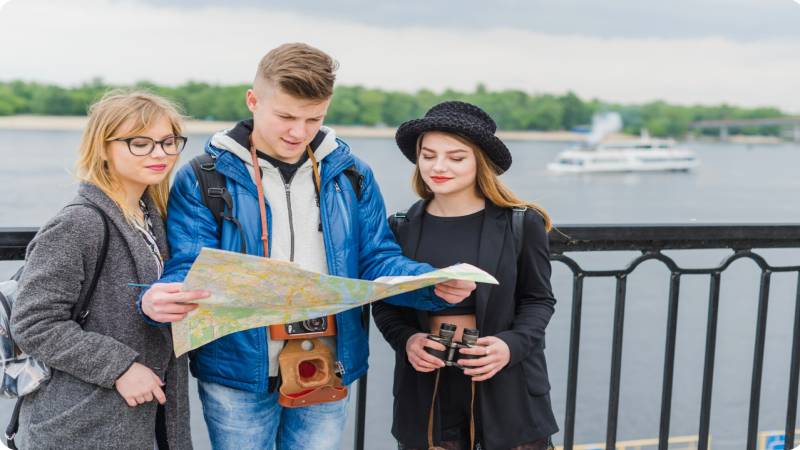
Traveling is one of the best ways to explore new cultures, discover beautiful places, and create unforgettable memories. Whether you are visiting a famous city, a peaceful countryside, or a historic destination, sightseeing helps you experience the true character of a location. A well-planned trip allows travelers to make the most of their time while avoiding common mistakes.
This sightseeing guide lwmftravel provides practical tips and useful information to help travelers enjoy their journeys more efficiently. From planning and transportation to photography and safety, understanding the basics of sightseeing can make every trip more enjoyable and rewarding.
What Is Sightseeing?
Sightseeing refers to the activity of visiting places of interest, such as landmarks, museums, natural attractions, historical sites, and cultural centers. It is one of the most popular travel activities because it allows people to learn about different locations while enjoying unique experiences.
Sightseeing can include:
- Visiting historical monuments
- Exploring museums and galleries
- Discovering natural landscapes
- Touring famous landmarks
- Experiencing local culture and traditions
- Exploring parks and recreational areas
Every destination offers its own sightseeing opportunities, making travel exciting and educational.
Benefits of Sightseeing
Sightseeing provides numerous advantages beyond simple entertainment.
Learning About History
Many attractions tell the story of a region’s past. Visiting historical sites helps travelers understand important events, traditions, and cultural developments.
Cultural Understanding
Exploring new places introduces visitors to local customs, languages, food, and lifestyles. This helps build appreciation for different cultures.
Stress Reduction
Traveling and sightseeing often provide a break from daily routines. Spending time in new environments can reduce stress and improve mental well-being.
Physical Activity
Walking through cities, parks, and attractions encourages movement and exercise, contributing to better health.
Creating Lasting Memories
Experiencing unique destinations creates memorable moments that travelers can cherish for years.
Planning Your Sightseeing Trip
Good planning is essential for a successful sightseeing experience.
Research the Destination
Before traveling, learn about:
- Popular attractions
- Local customs
- Transportation options
- Weather conditions
- Entry requirements
Research helps travelers avoid surprises and make informed decisions.
Create an Itinerary
An itinerary helps organize your schedule and ensures you have enough time to visit important attractions.
Include:
- Main attractions
- Meal breaks
- Transportation details
- Rest periods
- Alternative activities
A balanced itinerary prevents rushing and allows for a more enjoyable experience.
Set a Budget
Determine how much you plan to spend on:
- Accommodation
- Transportation
- Attraction tickets
- Food
- Shopping
Budgeting helps control expenses and reduces financial stress during travel.
Choosing the Best Attractions
Not every attraction will suit every traveler. Consider your interests when selecting places to visit.
Historical Attractions
Perfect for travelers interested in history, architecture, and cultural heritage.
Examples include:
- Ancient ruins
- Castles
- Monuments
- Historic buildings
Natural Attractions
Ideal for nature lovers who enjoy outdoor activities.
Examples include:
- Mountains
- Lakes
- Forests
- Waterfalls
- National parks
Cultural Attractions
These attractions showcase local traditions and lifestyles.
Examples include:
- Museums
- Art galleries
- Cultural centers
- Traditional markets
Modern Attractions
Many cities feature modern landmarks and entertainment venues.
Examples include:
- Observation towers
- Theme parks
- Shopping districts
- Entertainment complexes
Transportation Tips for Sightseeing
Transportation plays an important role in any travel experience.
Walking
Walking allows travelers to notice details that might be missed when using vehicles. Many historic areas are best explored on foot.
Public Transportation
Buses, trains, and subways provide affordable ways to reach attractions.
Advantages include:
- Lower costs
- Local experience
- Reduced traffic concerns
Rental Vehicles
Renting a car can offer flexibility, especially when visiting rural or remote destinations.
Guided Tours
Guided tours provide structured experiences and valuable information about attractions.
Packing Essentials for Sightseeing
Packing the right items can improve comfort and convenience.
Important items include:
- Comfortable shoes
- Weather-appropriate clothing
- Water bottle
- Camera or smartphone
- Travel documents
- Power bank
- Sunscreen
- Small backpack
Packing light makes moving between attractions easier.
How to Make the Most of Your Time
Efficient sightseeing allows travelers to see more without feeling exhausted.
Start Early
Popular attractions are often less crowded in the morning.
Prioritize Major Attractions
Visit the most important sites first in case time becomes limited later.
Take Breaks
Resting throughout the day helps maintain energy and enjoyment.
Avoid Overplanning
Leaving some free time allows flexibility for unexpected discoveries and opportunities.
The advice in this sightseeing guide lwmftravel encourages travelers to balance structure with spontaneity.
Photography Tips for Travelers
Capturing memories is an important part of sightseeing.
Use Natural Light
Morning and evening often provide the best lighting conditions.
Focus on Unique Details
Instead of only photographing famous landmarks, capture local architecture, food, and cultural elements.
Respect Local Rules
Some attractions restrict photography. Always follow posted guidelines.
Stay Present
While taking photos is enjoyable, avoid spending the entire trip behind a camera.
Safety Tips During Sightseeing
Safety should always remain a priority.
Stay Aware of Your Surroundings
Pay attention to people, traffic, and local conditions.
Protect Valuables
Keep important items secure and avoid displaying expensive belongings unnecessarily.
Follow Local Regulations
Respect local laws and cultural expectations.
Keep Emergency Information Accessible
Store emergency contacts and important travel information in a safe location.
Common Sightseeing Mistakes
Many travelers make avoidable mistakes that can reduce their enjoyment.
Trying to See Everything
Attempting to visit too many attractions can lead to exhaustion.
Ignoring Local Culture
Learning about local customs improves interactions and experiences.
Forgetting to Stay Hydrated
Long days of walking require proper hydration.
Poor Time Management
Arriving late or underestimating travel times can disrupt schedules.
Avoiding these mistakes can greatly improve your sightseeing experience.
The Importance of Sustainable Tourism
Responsible travel helps preserve destinations for future generations.
Travelers can support sustainability by:
- Reducing waste
- Respecting natural environments
- Supporting local communities
- Conserving resources
- Following park and attraction rules
Sustainable tourism benefits both visitors and local residents.
Family-Friendly Sightseeing
Traveling with family requires additional planning.
Helpful strategies include:
- Choosing age-appropriate attractions
- Scheduling regular breaks
- Carrying snacks and water
- Allowing flexible schedules
- Including interactive activities
Family-focused planning ensures enjoyable experiences for travelers of all ages.
Solo Sightseeing Tips
Solo travel offers freedom and independence.
Suggestions for solo travelers include:
- Sharing travel plans with trusted contacts
- Staying in well-reviewed accommodations
- Keeping emergency contacts available
- Being cautious in unfamiliar areas
Many people find solo sightseeing rewarding because it allows complete control over the itinerary.
Why Preparation Leads to Better Experiences
Preparation often determines whether a trip feels stressful or enjoyable. Travelers who research destinations, organize transportation, and plan realistic schedules generally experience fewer problems.
This sightseeing guide lwmftravel emphasizes the value of preparation because it helps travelers maximize their time and focus on enjoying attractions rather than solving avoidable issues.
Future Trends in Sightseeing
The travel industry continues to evolve.
Emerging trends include:
- Digital travel guides
- Virtual attraction previews
- Sustainable tourism practices
- Smart transportation systems
- Personalized travel experiences
These developments are making sightseeing more accessible and convenient for travelers around the world.
Conclusion
Sightseeing remains one of the most enjoyable ways to explore the world. Whether visiting historical landmarks, natural wonders, cultural attractions, or modern destinations, careful planning can significantly enhance the travel experience.
By following the tips provided in this sightseeing guide lwmftravel, travelers can make informed decisions, avoid common mistakes, and create memorable journeys. From choosing attractions and managing transportation to staying safe and practicing responsible tourism, successful sightseeing is built on preparation and curiosity.
The information in this sightseeing guide lwmftravel can help travelers of all experience levels enjoy meaningful adventures while discovering the unique beauty and culture of destinations around the globe.See More